⚖️ Legal Status at a Glance — Chiang Mai, Thailand
Overview
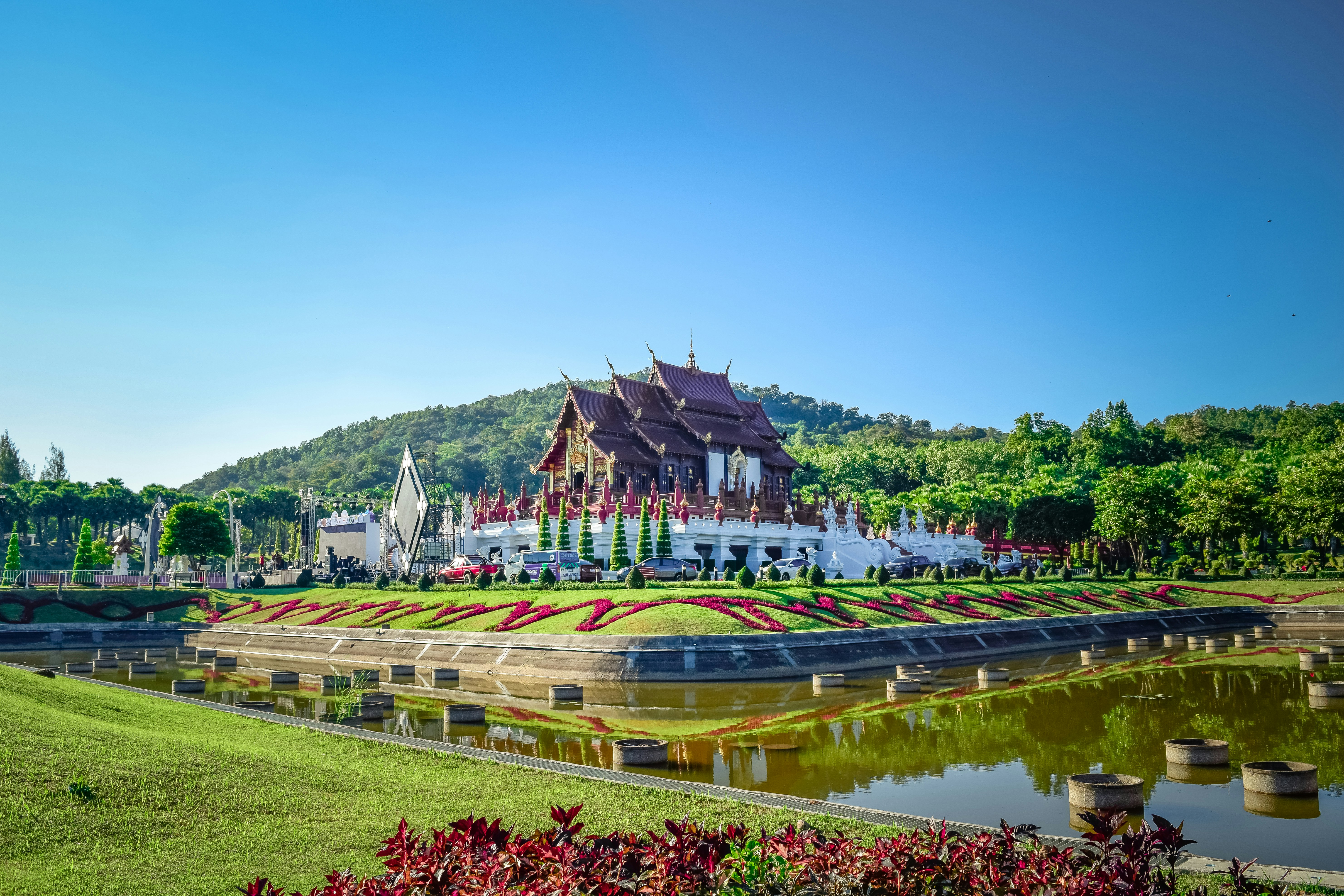
Chiang Mai is Thailand's cultural capital and the commercial heart of the north — a city of over 300 Buddhist temples, a 13th-century moated Old City, and one of Asia's most established digital nomad scenes. The dispensary market that grew up around Nimmanhaemin Road (Nimman) after 2022 is not on the same legal footing in 2026. A Ministry of Public Health notification reclassified cannabis flower as a "controlled herb" effective 26 June 2025, and stricter licensing since has pushed many shops nationwide to close rather than comply. What is left in Nimman operates in a legal grey zone, not the open recreational market visitors may still expect.
What still distinguishes Chiang Mai from other Thailand cannabis destinations is the practical weight of the 100-metre temple exclusion rule, now layered on top of the medical-only purchase requirement. With more than 300 wats across the city — including dozens within and immediately adjacent to the Old City moat — a significant share of the areas visitors walk through falls within restricted zones. Nimman remains the more comfortable district for both legal and cultural reasons, but "comfortable" is no longer the same as "straightforwardly legal."
The Law Right Now
Thailand removed cannabis flower from the Category 5 narcotics schedule on 9 June 2022, then reclassified it as a "controlled herb" effective 26 June 2025 under a Ministry of Public Health notification. That reclassification remains in force in Chiang Mai as of September 2026.
Only a valid PT33 prescription from a licensed practitioner, for one of five approved conditions since September 2025, permits legal purchase and possession. Violations of the controlled-herb rules carry up to 1 year in prison and a 20,000 THB fine. A Ministerial Regulation effective 1 May 2026 further confines legal sales to hospitals, pharmacies, licensed herbal retailers, and traditional-healer premises with a DTAM-trained staff member on site — nationally, only 15.5% of shops with 2025 licence expirations renewed under the new standard.
Public smoking is prohibited across all public spaces — streets, parks, markets, public transport, and anywhere accessible to the public — regardless of prescription status. Fines reach 25,000 THB (~€650). The Sunday Walking Street, the Night Bazaar, and the moat road pavements are all public spaces.
The 100-metre temple rule carries particular weight in Chiang Mai. Major wats within the Old City — Chedi Luang, Phra Singh, Chiang Man — each generate exclusion zones covering substantial portions of the moat area, and Doi Suthep has its own. Enforcement near significant temples is real and heightened during Buddhist festivals (Loy Krathong, Songkran, Makha Bucha).
Export through Chiang Mai International Airport (CNX) is drug trafficking under Thai law regardless of how the cannabis was obtained — lengthy imprisonment for personal amounts, the death penalty for large-scale trafficking. Screening nationwide has intensified following a run of multi-kilogram tourist arrests at Phuket airport in mid-2026.
Realistic Consequences
Chiang Mai has not seen the dramatic airport busts reported in Phuket, but the underlying legal exposure is identical. Nimman dispensaries are among the shops nationwide that kept selling to tourists through 2025–2026 with little or no prescription check, while DTAM's mid-2026 inspection drive (1,247 outlets checked nationwide, licences suspended or revoked for violations) shows the state working the other side of that gap. A quiet personal purchase consumed in private accommodation draws little practical attention; a shop caught operating outside the rules faces the real penalties on the books. Chiang Mai's temple density adds a second, unrelated risk: consumption within 100 metres of any of the city's 300-plus wats is enforced as a distinct offence, and not knowing the exact boundary is no defence.
📡 Regulation Pulse
- Cannabis flower reclassified as a "controlled herb" effective 26 June 2025, ending the 2022 recreational framework; unauthorised recreational possession is now a criminal offence.
- Since September 2025, medical purchase requires a doctor-issued PT33 prescription valid ~30 days, for one of five approved conditions.
- Ministerial Regulation (No. 2) B.E. 2569, effective 1 May 2026, confines cannabis sales to hospitals, pharmacies, licensed herbal retailers, and traditional-healer premises.
- Public Health Ministry (Feb 2026): only 1,339 of 8,636 shops with expiring 2025 licences renewed nationwide — Nimman's dispensary count has thinned accordingly.
- DTAM's June 2026 enforcement guidelines add licence suspension/revocation penalties; the bill was renamed the Cannabis Control Act, with its completed draft submitted to the Public Health Minister on 20 July 2026 — Cabinet review is next, and parliamentary debate is not expected before January 2027.
Public Sentiment
Chiang Mai's cannabis and tourism operators, many built around the digital-nomad market that flourished after 2022, are among those most affected by the 2025–2026 reclassification. Public health officials and conservative groups backed the tightening, and Chiang Mai's more conservative northern character puts it closer to the cautious end of national opinion. On the ground, many Nimman operators continue much as before, betting on the same inconsistent enforcement seen nationwide — a gap between stated policy and daily practice that long-stay visitors should not mistake for settled law.
Practical Advice for Visitors
Understand that a still-open Nimman shop does not mean a legal purchase. Recreational buying without a PT33 prescription is a criminal offence in 2026, whatever the shop's storefront looks like.
Do not consume in or near the Old City without knowing your exact location. The moat area and surrounding streets fall within 100 metres of multiple major temples. The restriction is not marked on the ground. If in doubt, return to your accommodation before consuming.
Observe the 100-metre temple rule throughout the city. Chiang Mai's 300+ wats mean this exclusion zone covers large portions of every district, not just the Old City. During Buddhist festival periods enforcement is heightened further — treat it as a strict no-go.
Do not smoke in cafés, co-working spaces, or any public venue. Chiang Mai's café culture is not a consumption-friendly environment. These spaces are public regardless of their informal atmosphere.
Check the legal situation before travel. The framework shifted substantially in 2025–2026 and a further Cannabis and Hemp Act is still pending. A trip planned months ahead should include a status check before departure.
Do not take cannabis through Chiang Mai International Airport — this is the rule that matters most. Consume or discard everything before reaching the airport. Exporting cannabis is drug trafficking under Thai law, with penalties from certain imprisonment to death for large quantities. There is no exception for legally purchased product and no leniency for tourists.
Comments
Leave a Comment